"3 Weeks After": A Harrowing Reflection on Youth Violence
- Jul 13, 2026
In 2023, director Miroslav Terzić was drafting a script that chillingly mirrored a tragic instance of real-life violence at a school in his home country, Serbia. Discovering that art was imitating life in such a gruesome way was a weighty revelation for Terzić, as he was focused on creating a film that was more fact than fiction. His latest venture, “3 Weeks After,” is a collaborative production by Serbia, Bulgaria, Italy, Croatia, and Luxembourg.
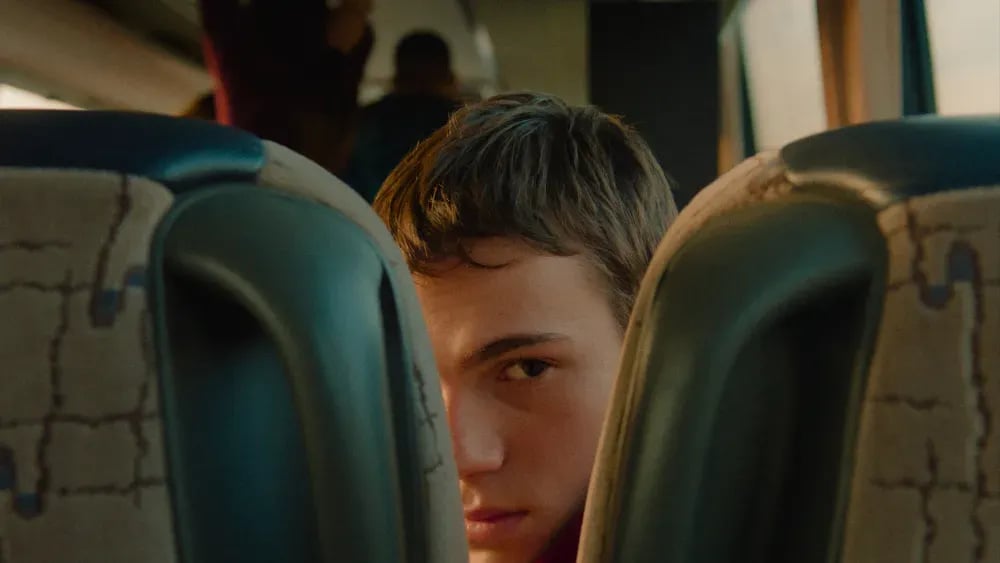
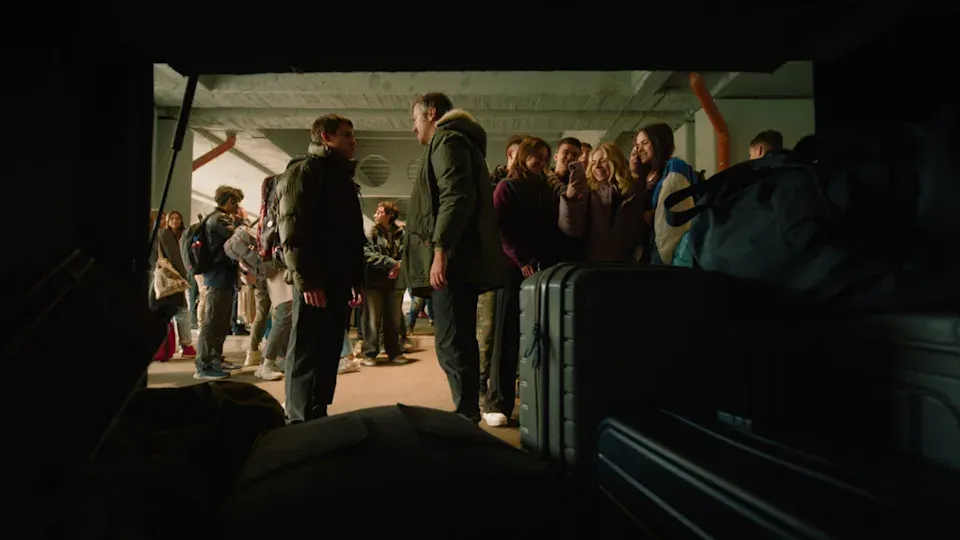
This heart-wrenching film set to premiere July 7, at the Karlovy Vary Film Festival is homage to Aleksa and Mahir - two young boys who took their lives within the span of a year. Crafted by Terzić alongside Vladimir Arsenijević and Bojan Vuletić, the movie narrates the story of a school trip to the Bulgarian mountains, a painful three weeks after a student, Andrij, dies by suicide. This leaves his close-knit friend, Tsosta, played by Jovan Ginić, wrestling with grief, apathy from his peers, and an apparent lack of authority from teachers.
Terzić emphasizes that "Three weeks after is not enough time to process all of these things, especially for young kids." He challenges the notion of normalcy returning swiftly post tragedyy, leading viewers to understand that the film is less about bullying, but more a critique of youth violence becoming a pervasive 'language'.
The casting process was an eye-opener. Terzić had conversations with over 500 aspiring actors, selecting a diverse group of 24, some of whom were not professional actors, but had real-life experiences that resonated with the film's plot. The narrative hit uncomfortably close to home for some, particularly two young actors who confessed to being perpetrators of peer violence.
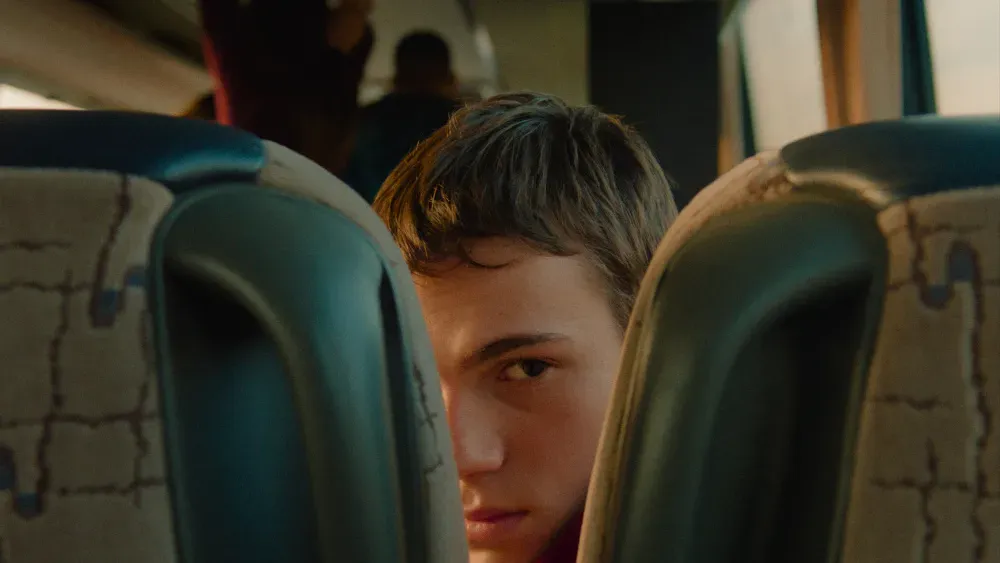
One notable feature of “3 Weeks After” is the distanced manner in which the acts of violence are shot by cinematographer Damjan Radovanović. This emphasis on observer passivity reflects Terzić’s critique of societal apathy during times of crisis. “Violence becomes spectacle, something that is fun to watch… this is our language of the film,” he asserts.
Terzić hopes that premiering his film in the Czech Republic will start conversations about such heavy themes. He insists that society remains too distant from these issues, normalizing violence to the point where we become oblivious to its impact. “We are already in some kind of fire, but we don’t realize. We don’t notice the fire,” warns Terzić.
“3 Weeks After” serves as a solemn reminder of the impacts of societal violence on youth, hopefully prompting its viewers to take action for positive change in their own realities. If this narrative strikes a chord with you or someone you know, and you're struggling with thoughts of suicide, don't hesitate to reach out to the National Suicide Prevention Lifeline at 988.