FCC Proposed Shift in TV Ownership Rules Sparks Debate
- Jul 19, 2026
Ready for some spice in your TV news? The Federal Communications Commission (FCC) just stirred the pot! They're gearing up to make a game-changing vote on August 6. The plan? To remove the old-school rule that keeps anyone from controlling TV stations across more than 39% of markets. In its place, they'll employ a more thorough approach – assessing the potential consequences of any large-scale transactions on a case-by-case basis.
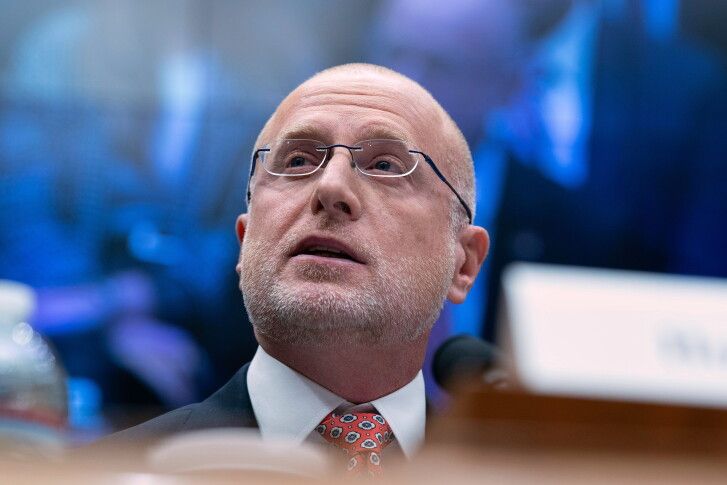
If you're thinking that sounds like a big deal, FCC Chairman Brendan Carr is right there with you. He wrote an op-ed about it highlighting how much the media landscape has evolved. Nowadays, national programmers can beam their shows across the entire country with a little new-age magic, like their own streaming platforms or partnerships with online platforms such as YouTube TV. Cable channels, social media sites, even Netflix and podcasts, they can all reach every nook and cranny of our digitally connected nation. So, in Carr's view, the 39% cap doesn't quite make sense anymore.
If the FCC gives the green light to this, it's going to have immediate repercussions. Take Nexstar, for instance. This media giant, which owns an extensive network of TV stations across the U.S., had its recent acquisition attempt of Tegna halted by a federal court on account of the transaction potentially violating this very 39% rule.
But hold on to your hat, because the fallout from this decision could also enter the legal realm. FCC's Democratic member Anna M. Gomez voiced strong opposition to the move. She slammed it as unlawful, with potential damaging effects on local newsrooms, community reporting, and universal access to necessary news and emergency alerts. She concluded: "Congress set the 39 percent national ownership cap in federal law, and only Congress has the authority to raise or eliminate it. The Commission cannot waive away that limit simply because these corporate behemoths want to get out from under it.”
However, not everyone's up in arms. Nexstar, paving its own gold road to media dominance, is cheering for the FCC's bold move. Following the announcement, they applauded the FCC for their courage, claiming these regulations needed a severe makeover to catch up with our technologically advanced world.
Others, like the National Association of Broadcasters, gave the initiative two thumbs up too. They commended the FCC for modernising, suggesting that this move could empower local stations, helping them compete better, invest more, and continue to provide trusted news, sports, and entertainment.
Nevertheless, the FCC clarified this decision doesn't mean a carte blanche for all future media acquisition deals. Some may not serve the public interest and will still be vetoed.
On the flip side, DIRECTV's chief legal officer, Michael Hartman, fiercely debated the decision. According to him, this may lead to higher consumer prices and there's no evidence linking broadcaster consolidation to improved local programming quality or journalism standards.
Recent events hint at how station owners might flex their newfound muscles. Back in September, Nexstar, in conjunction with Sinclair, took a stand against the late-night show host Jimmy Kimmel. They decided to pull his show from their networks for a few days after he made remarks about the late conservative activist Charlie Kirk. Following a few days off the air to review the situation, the show was reinstated, presenting Kimmel with the opportunity to address the controversy.