"Naza": Revealing Unspoken Horrors in Gaza
- Sep 13, 2026
Buckle up, reader, because today we're diving into the thick soup of controversy surrounding the renowned documentary "No Other Land". Do remember, it wasn't the film itself that stirred up the storm, but the circumstances around it. A quick trip down history lane will remind you that just a few months post its release, the unsettling Hamas attack happened, which turned up the heat even more internationally.
Fast forward to the present, and "No Other Land," despite not breaking the internet with new revelations about Israel's ethnic cleansing policy, has paved the way for a more potent follow-up - "Naza". Now, this grim, no-frills documentary gets down into the trenches, unflinchingly uncovering Israel's clandestine genocidal war crimes. Steering the ship this time are only the Israeli moviesmith duo, Yuval Abraham and Rachel Szor, who pull back the veil on their government's otherwise concealed activities.
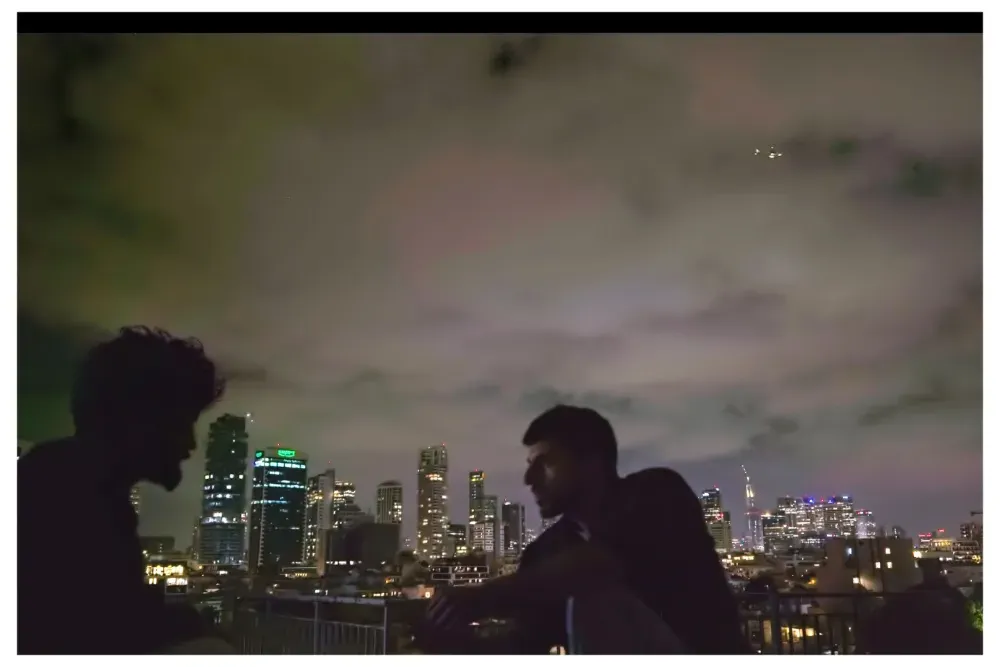
Observe the pristine simplicity of the setup- night-time meetings with Israel's military elites atop Tel Aviv rooftops, their identities protected through shadowy profiles and masked voices. Each soldier unfolds the tale of their duties in Gaza, their words painting pictures even sketchpads can't depict. Many were involved in surveillance while others guided lethal drones to their targets from the safety of their headquarters.
"Naza", an army term, refers to collateral damage, underlying the chilling practice of dehumanizing civilian deaths through cold statistics. This tragic dehumanisation can be traced back not just to Netanyahu's era, but has long been a dark stain on Israel's history. Exchanges of one Israeli hostage for large numbers of Palestinian prisoners aren't rare, reinforcing a brutal message that one Israeli life holds unfathomable value over Arab lives.
The ingrained policy of using "naza", condensing the horror of massive civilian deaths into a four-letter word, aids in turning the otherwise horrifying act of erasing entire villages into a desensitized operation. Despite the distance, these soldiers directing the strikes catch every phone conversation within the Gaza border, discerning the location of every citizen, including children. They hear the cries and the screams post-explosion; nothing is hidden from them, and they accept this as a necessary evil.

These soldiers, raised in a world where the video game kill count is akin to victory points, transfer this detached mindset into real warfare, where successful strikes are a cause of euphoria. All while hiding behind lines of defence such as "My role is technical" or "You must trust the system" to sidestep the ethical nightmare at hand.
Yet the disturbing truth resurfaces when one soldier boasts about the thrill of it all while admitting his knowledge of Israel committing genocide. He might be carrying a tiny flicker of guilt which propelled him to speak, but remorse is still a far-fetched idea. Another shows revulsion at the sight of dogs devouring bodies, but fails to extend this repulsion to the actual killing- a grotesque moral paradox.
For those still in denial, "Naza" clearly illustrates how the Israeli government views all Gazans as fair game, leading to nonchalant snipers shooting down desperate people at food distribution points. It shows that genocide isn't just about killing; it's also about annihilating everything that could harbor life. The film's testimonies leave no room for Israeli government denials about the calculated obliteration of Gaza's dwellings.
Alas! It's not just the battle-hardened soldiers who "trust the system". A look through the windows of apartments across the Tel Aviv skyline reveals many ordinary citizens going about their life, oblivious to the grim reality being perpetrated in their name.
Will "Naza" transform opinions? As the truth about what's really happening in Gaza and the West Bank is progressively difficult to veil, there's a good chance. But by unconditionally supporting festivals that programme these films whilst labelled as apolitical, we might also be unwittingly aiding a campaign designed to blur the tragic reality so brazenly laid bare in "Naza".