Journey into the Heart of a Grieving Germany: Pawlikowski's "Fatherland"
- Jun 3, 2026
Polish director Pawel Pawlikowski delivers yet another visually striking, intellectually stimulating masterpiece in the form of "Fatherland." After creating magnificent films like "Ida" and “Cold War,” Pawlikowski adds another feather to his cap, tying up what seems to be a Cold War European trilogy – though, knowing the unpredictability of this creative genius, we're not putting away our popcorn just yet.
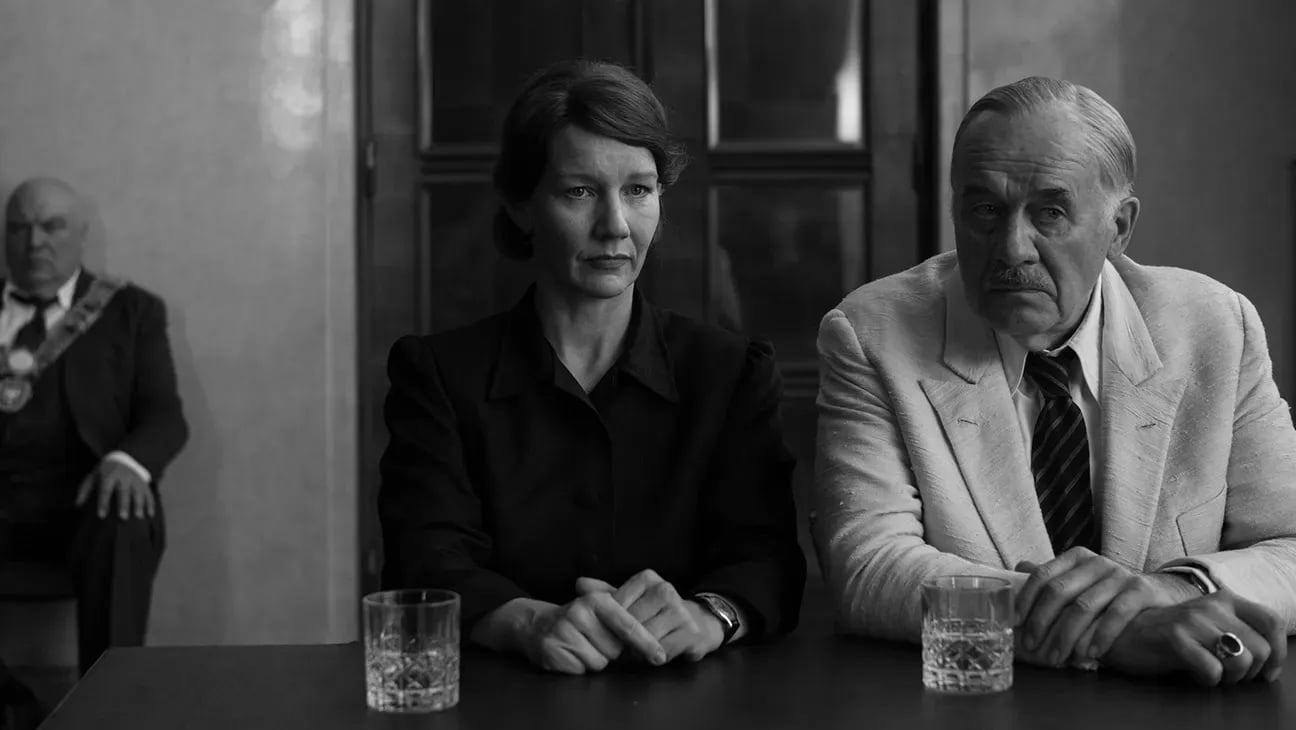
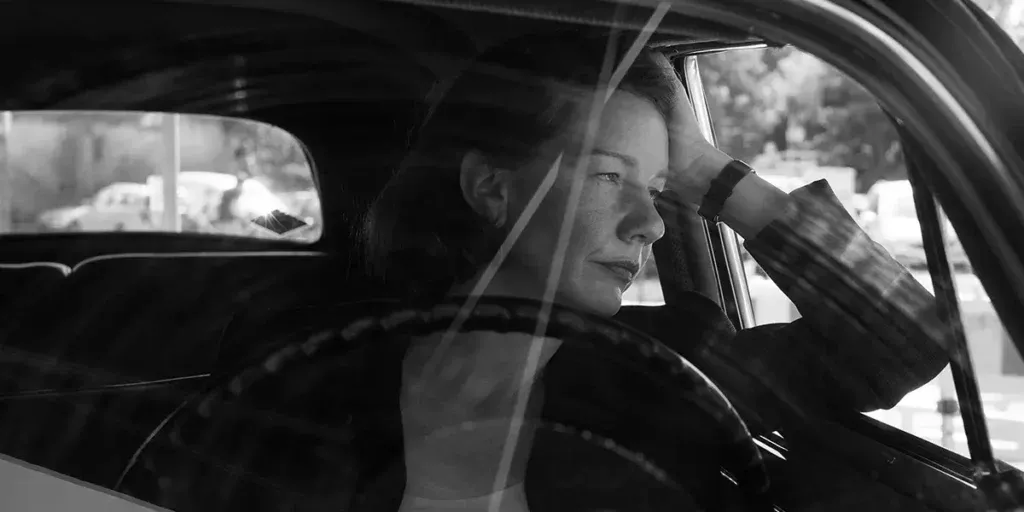
"Fatherland," spiritually connected to its sibling films through its exploration of political and historical themes of tremendous significance, is set in the frosty backdrop of 1949 Europe. The film ushers us on an ambivalent journey with Thomas Mann and his daughter Erika from West Germany to East Germany -- the ideological Yin and Yang of the Cold War era. Each frame of the movie, gloriously captured in monochromatic elegance by Łukasz Żal, chimes with the painstakingly organized precision of a photographic masterpiece.
The film introduces us to the legendary Thomas Mann (Hanns Zischler), author of famed works “Death in Venice” and “The Magic Mountain,” who serves as a beacon of wisdom amidst the chilling ruins of Post-WWII Germany. He is a literary rockstar - his fellow Germans hang onto his every word in every speech. He traverses the politically volatile regions, from America-influenced Frankfurt to the Communism-dominated Weimar, advocating for a spiritual reckoning to answer "the German problem."
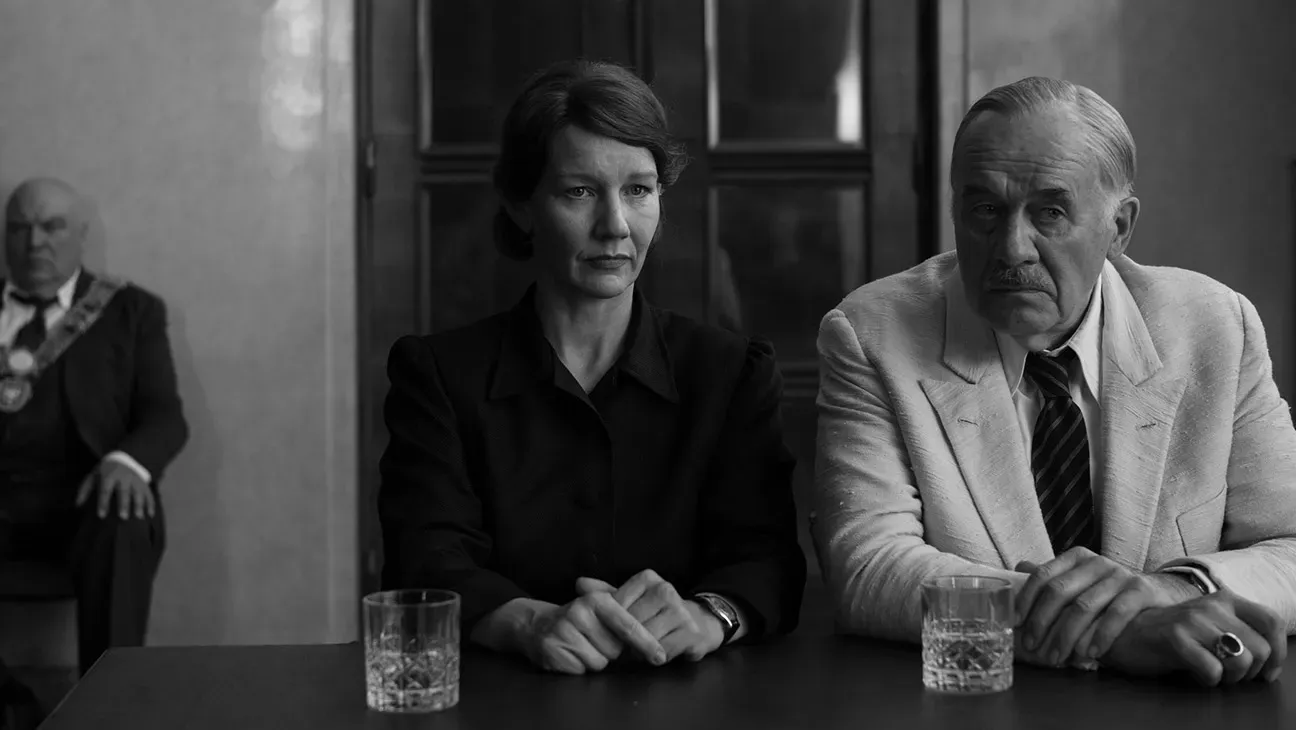
The journey is not without personal demons. Klaus Mann (August Diehl), the author's son, voices his despair which sets a melancholic tone right from the beginning. Erika (Sandra Hüller), his sister and an accomplished actress and writer, balances the narrative with a restrained tartness, patiently enduring their father’s hidden narcissism until it boils over into an explosive scene.
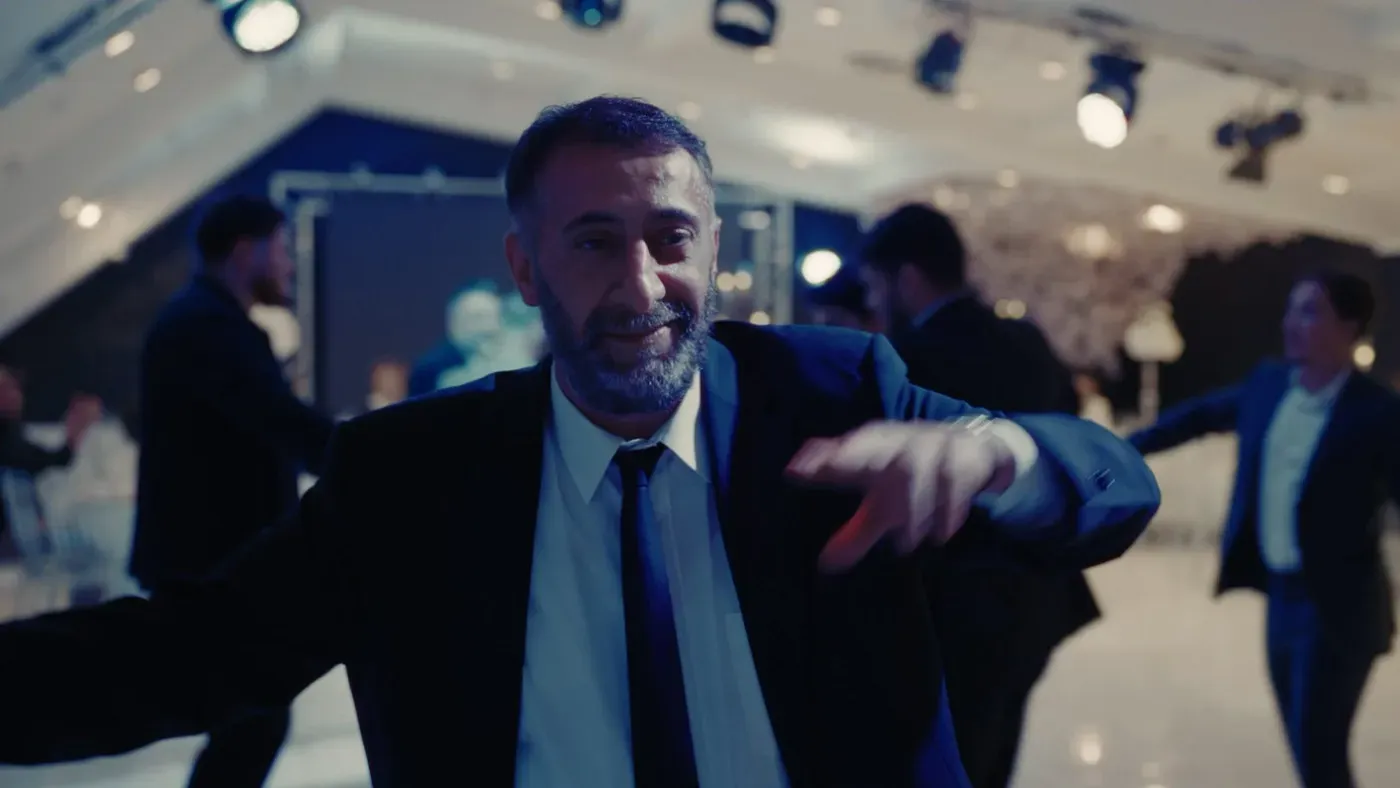
Even though Mann is portrayed as a respected figure, his wordy predictions fall on deaf ears. As a US citizen living in California, his political sympathies might seal his fate. Despite the political gloom, “Fatherland” also peels back the layers of a torn society, unveiling disguises of totalitarianism and flickers of the Nazi era lingering in the shadows of opulent parties.
What lingers after viewing "Fatherland” is the restrained authenticity Pawlikowski employs to paint the historical tapestry. The calculated seduction of the film transports you to the torn landscape of 1949 Germany. The multi-layered nature of Pawlikowski's storytelling delves deep into moral choice and divinity, enmeshing them in an uncanny harmony. And while his visual poetry vibrates with originality, there exists a decided deliberation behind every enactment that seems to dictate what the audience should feel, but it's a dictation nicely wrapped in cinematic finesse and subtlety.