Behind the Curtain: The Spotlight on "Duse"
- Sep 8, 2025
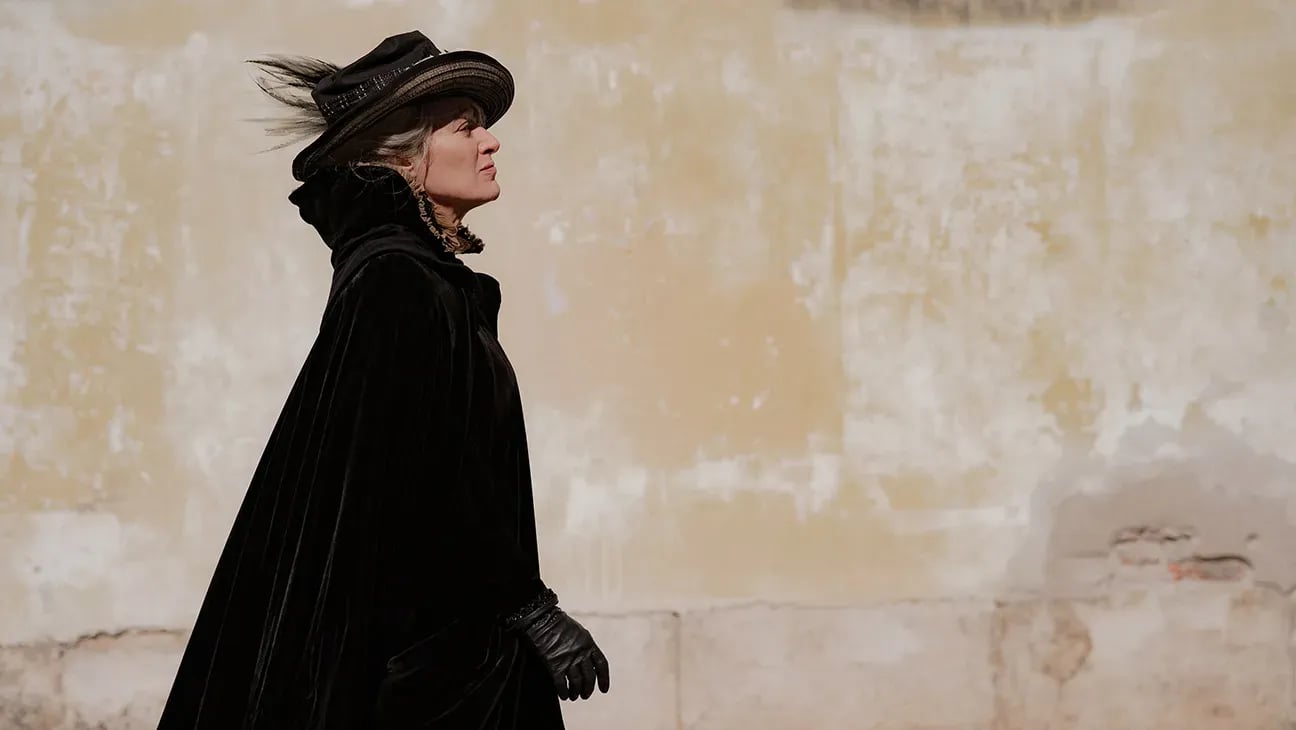
An actress of the highest calibre, Eleonora Giulia Amalia Duse was known for her ability to vanish into the roles she portrayed, once claiming outside the theater, she did not exist. So, what would she make of "Duse," Pietro Marcello's love letter to the legendary actress, vividly capturing her offstage life in all its passionate intensity?
Duse, the 19th/20th century superstar of the Italian stage, was renowned for her utmost devotion to her craft. She is remembered for her ground-breaking performances in the works of Henrik Ibsen and Gabriele D'Annunzio, her former lover, who crafted four plays just for her. As distinctive as her contemporary Sarah Bernhardt, Duse’s legacy somewhat faded in comparison - an issue Marcello’s film seeks to address. Though unsurprisingly, he chooses an unusual angle, presenting her story well beyond the height of her career.
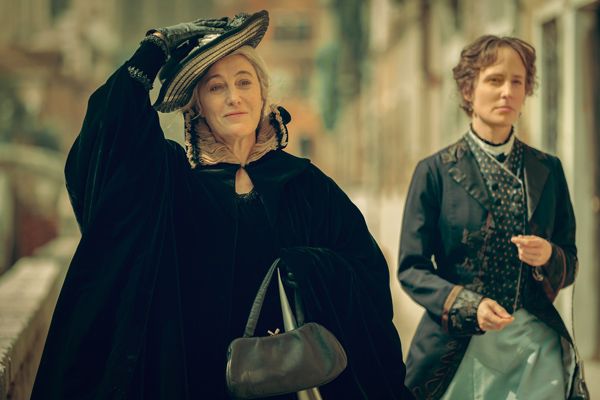
The film, co-written by Marcello, Letizia Russo and Guido Silei, picks up Duse's story in 1917, during the waning of her fame. Duse is portrayed alongside her unflinching assistant Desirée, played by Fanny Wrochna, in a captivating scene where they uplift Italian troops in the midst of World War I.
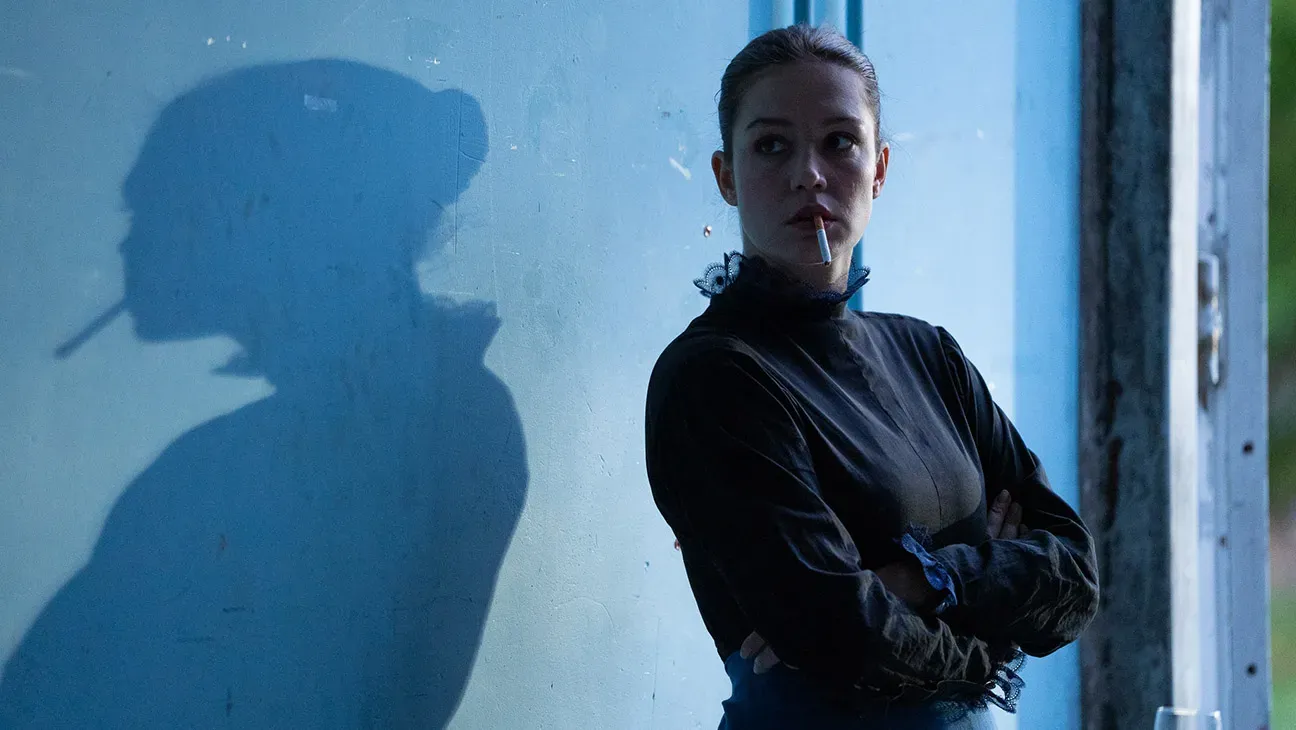
Marcello's film also shines a spotlight on Duse's strained relationship with her daughter, Enrichetta, played by Noémie Merlant, amidst war aftermath and personal health issues. Despite these trials, Duse resiliently announces a return to the stage – a decision that leads to her Ibsen performance, a triumphant success, and a less successful original play.
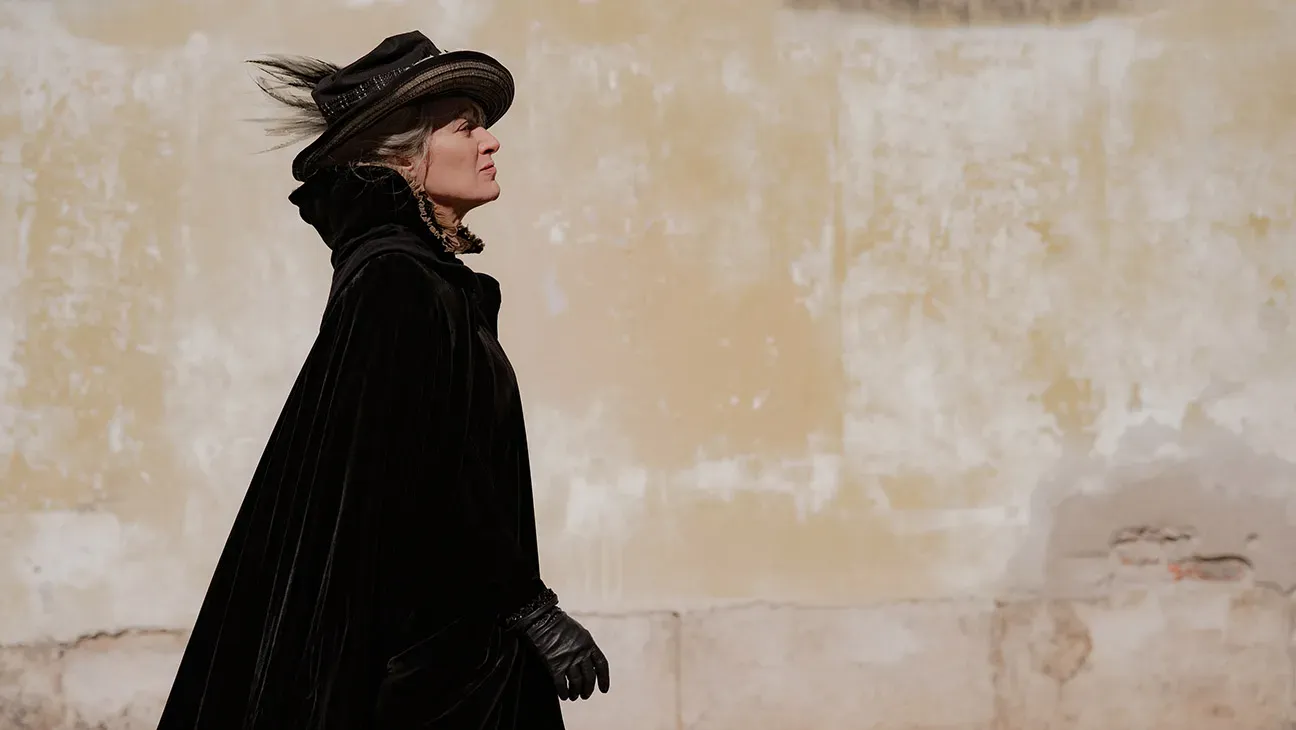
Valeria Bruni Tedeschi embodies Duse with an irresistible, intense energy that dominates the screen, making every conversation a dramatic event. Her presence is so captivating that even when she's not in the frame, Marcello makes sure everyone is still talking about her, speaking volumes about her iconic status.
However, while Marcello's "Duse" is an ode to the actress, it hardly clarifies her place in Italian history or how her personal struggles influenced her career. Scenes featuring Duse and the newly appointed Prime Minister Benito Mussolini, for instance, highlight her disconnect with the outside world in her later life.
Bruni Tedeschi's portrayal of Duse presents her as a spirited, yet occasionally petty woman, which leaves us with a complex, layered impression. A crucial scene towards the end, a rare fourth-wall break, leaves us questioning whether we've truly grasped the real Duse through Marcello's lens.
Overall, "Duse" offers a compelling peek into the life of the exceptional actress. Despite some narrative pitfalls, Pietro Marcello’s cinematic tribute to Duse gives us a fascinating, albeit slightly blurred, glimpse into an artist's life very much lived.