Hitching a Yak to Cinema: The Snowy Journey of 'White Snow'
- Dec 2, 2025
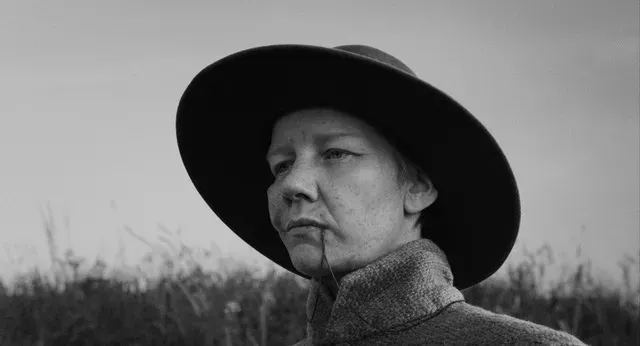
The latest cinematic gem from Praveen Morchhale, "White Snow," tells a chilling, compelling tale of a mother's fierce determination to keep her son's artistic voice alive, despite governmental suppression. This story unfolds against the stunning backdrop of Kashmir’s Himalayan peaks.
The Urdu-language drama roped in viewers for the first time at the Sao Paulo International Film Festival. After that, it hit the screens at the International Film Festival of India in Goa. Currently, Asian cinema buffs are feasting their eyes on 'White Snow' at the Jogja-Netpac Asian Film Festival.
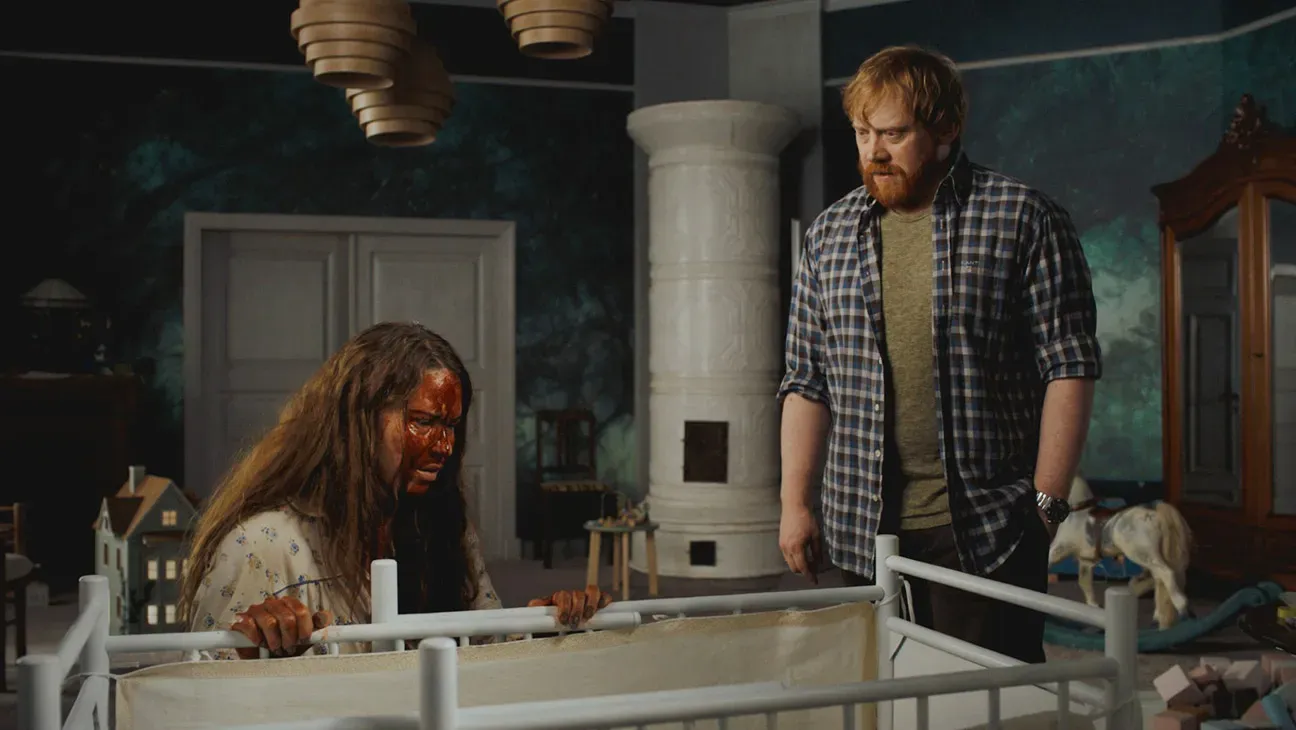
The drama centralizes around Fatima, the brave mother of filmmaker Amir, whose work gets axed right after its first-ever community screening due to backlash from religious leaders. Can you guess the reasoning behind the ban? Portraying post-partum blood after childbirth, which seems to have ruffled a few too many feathers.
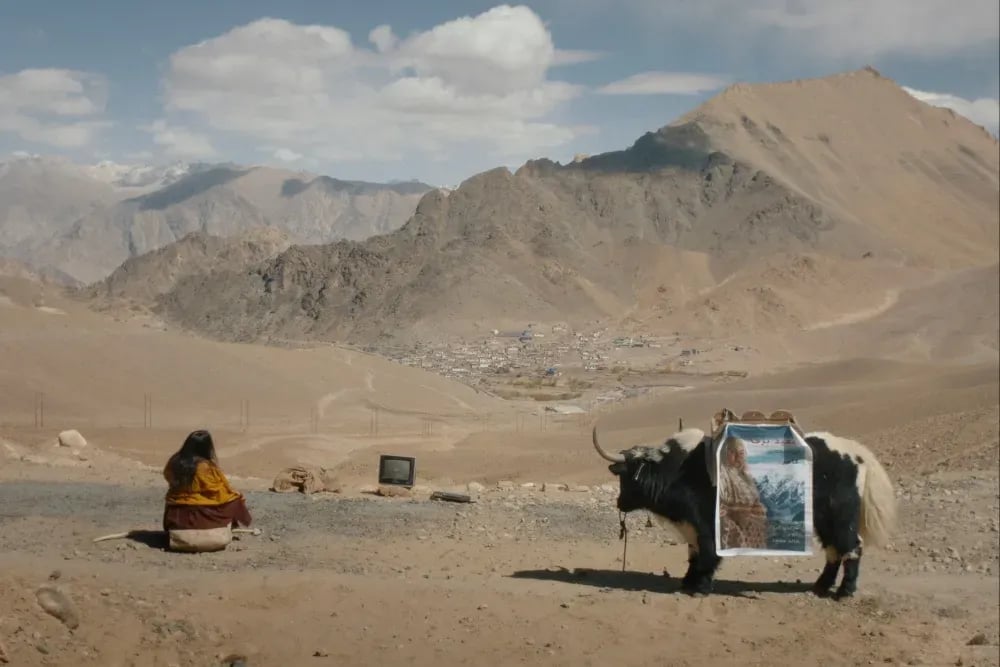
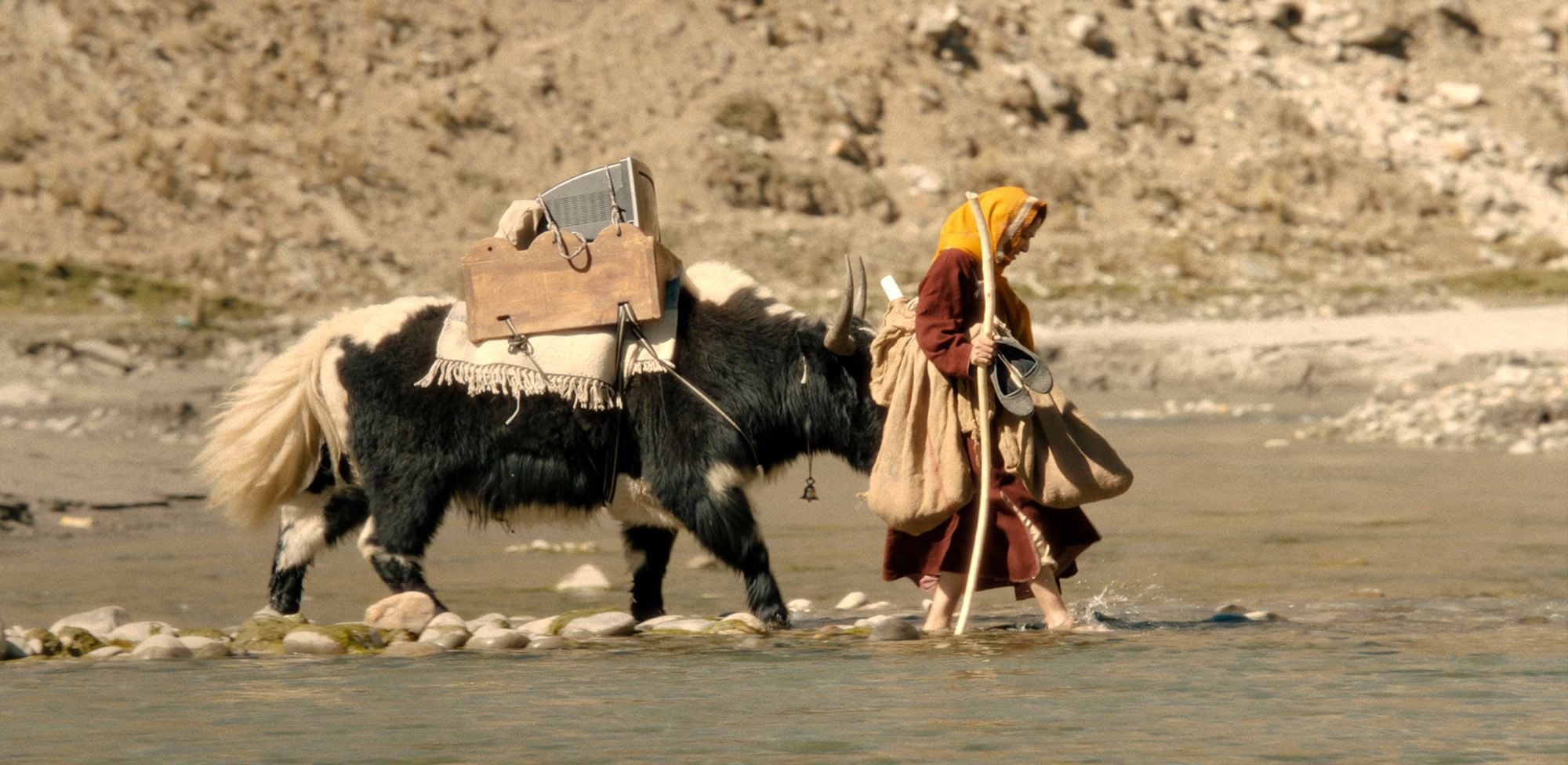
Armed with an old-school cathode-ray tube television and a DVD player strapped to the back of a faithful yak, Fatima embarks on a dangerous quest to screen her son’s silenced, but potent work in secluded mountainous villages.
International teamwork and collaboration made this project happen! Praveen Morchhale's team brought talents from India, France, Germany, and Canada to one table, with Mohammad Reza Jahan Panah weaving visual magic as the cinematographer and Anthony Joseph ensuring smooth transitions with his editing skills. Key on-screen characters included Madhu Kandhari performing as the undaunted Fatima, Bhavya Khurana playing her banned filmmaker son Ameer, and Noor enacting the role of Kaneez Fatima.
Morchhale dives deep into the themes of suppression, resilience, and quiet rebellion. He shares his special attraction towards silent characters whose personal resolve and strength stand tall against societal control. Morchhale drew inspiration from a real-life incident where a novice Indian filmmaker’s work was outlawed for similar reasons. The director reflects on the silent but potent effect of censorship and the terrifying, hushed manner of its implementation.
The charming image of Fatima carrying a television atop a yak across treacherous terrains is a poignant metaphor. From her journey, we can draw parallels with the current state of despair the film industry often finds itself in.
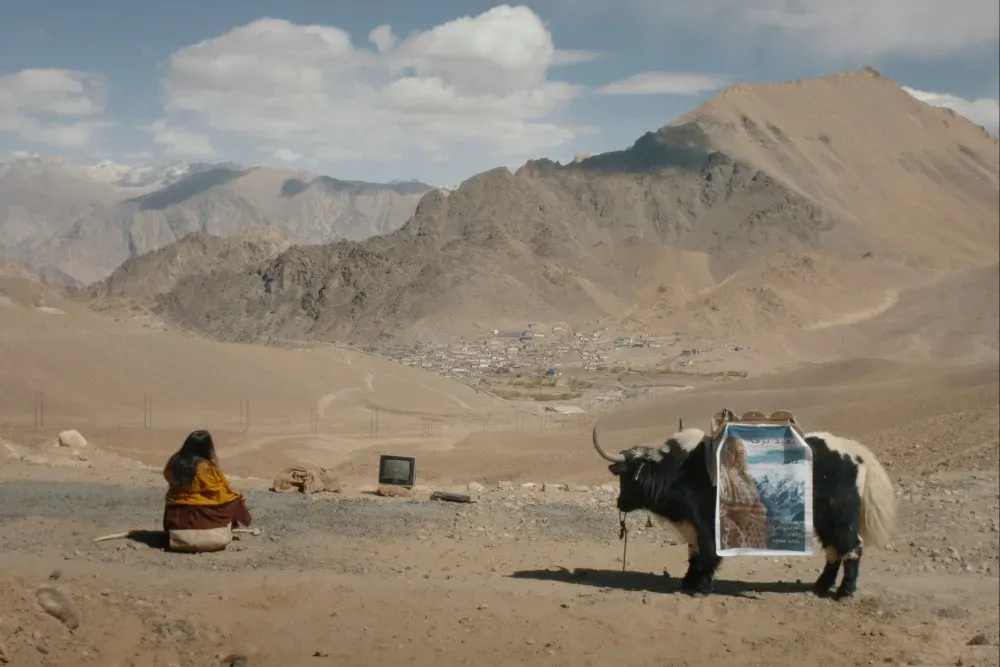
In "White Snow," Morchhale made silence a language of its own, painting a story more with visuals than dialogue. The cinematographer, Mohammad Reza Jahan Panah, worked closely with the team to construct a visual rhythm that filled the screen with emotion without shoving it down viewers’ throats. They faced one of the greatest challenges when filming in the secluded, high-altitude valleys of Kashmir.
Attempts to assist Fatima on her journey were mired in systemic helplessness rather than outright hostility. Sure, there were people eager to help, but they too faced the brunt of oppressive systems. The director believes that such helplessness is more tragic than hatred itself.
According to Morchhale, the bans, the censorship, they're rarely about morality, but about maintaining control, about fear- fear of the ordinary truths of life, like a wound, a cry, postpartum blood. 'White Snow' echoes the pressures and fears faced by artists globally due to escalating censorship.
The international co-production structure of "White Snow" was crucial in bringing it to life with the backing of Barefoot Pictures, Woooz Pictures and others. Fatima’s journey costs her not just physically, but emotionally as well, paving the way for a transformative conclusion filled with grief, fatigue, and isolation.
'White Snow' is not just another film by Morchhale but a further refinement of his earlier works, with bare minimums and honest silences. He seeks to leave the audience resonating with images and meanings without intervention or guidance. For him, integrity is about protecting the honesty of his storytelling, even if it doesn’t please the masses or align with cinematic trends.
With "White Snow," Morchhale keeps his stride in giving voice to the marginalized and addressing social injustice through visually poetic narratives. The participation of Nalin Vinayak for music, Ravi Sataliya in costume design, Akhilesh Dogne on production design, and Hossein Mashali and Omid Mohammadipour in sound design added to the film's international, collaborative strength.