
"Bitter Christmas": Almodóvar’s Soulful and Eccentric Drama Unveiled
- May 19, 2026
Ghosts of Christmases past meet creative struggles of the present in Pedro Almodóvar’s intimate and vivid drama "Bitter Christmas". This cinematic stocking stuffer delivers Antonio Banderas in a career-high role mirroring Almodóvar himself, plunging into themes of creativity, physical anguish and addiction with a realness that’ll spike your eggnog.
This time round, in a daring leap, the Spanish maestro splits his onscreen stand-in into two - a film director wrestling with a screenplay and an allegorical filmmaker destined to be its centerpiece. A deceptive package wrapped in elegant visual style and amplified by rich scores from his go-to composer Alberto Iglesias, "Bitter Christmas" may sometimes feel like the gift that’s tough to unwrap for the viewers.
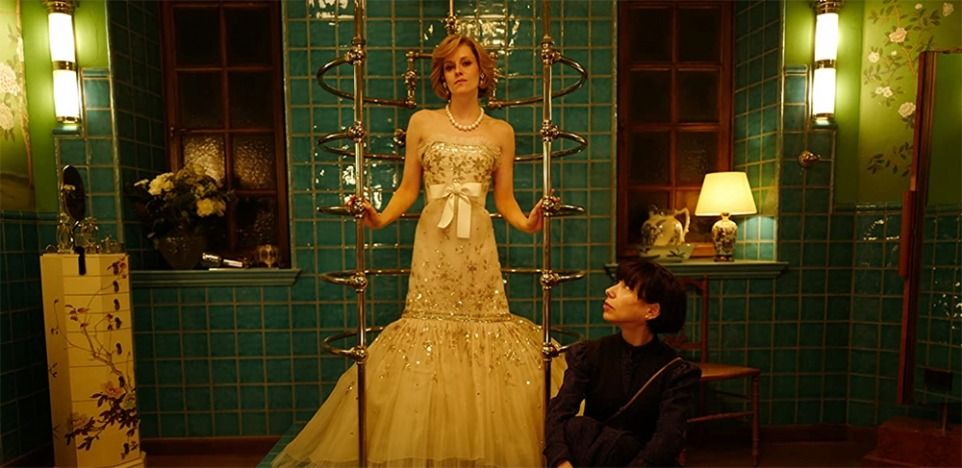
Now for movie buffs, even Almodóvar on an off-day outperforms the finest works of his contemporaries. Packed with enough gems to keep any cinephile satisfied, like Antxón Gómez’s eye-candy set designs or Paco Delgado’s fashionable dressing of the cast, it's a visual banquet. The subtler moments of humor married with flavourful flourishes of on-screen magnificence, reveal the hidden sides of its characters in a way only Almodóvar can.
"Bitter Christmas" lays bare a director’s fear of dwindling inspiration and questions the ethical hunter-gatherer act of an artist gleaning from their friends’ turmoil. Despite being studded with introspective moments and Leonardo Sbaraglia’s winsome portrayal of the director’s avatar, Raúl, it proves somewhat challenging to totally immerse in.
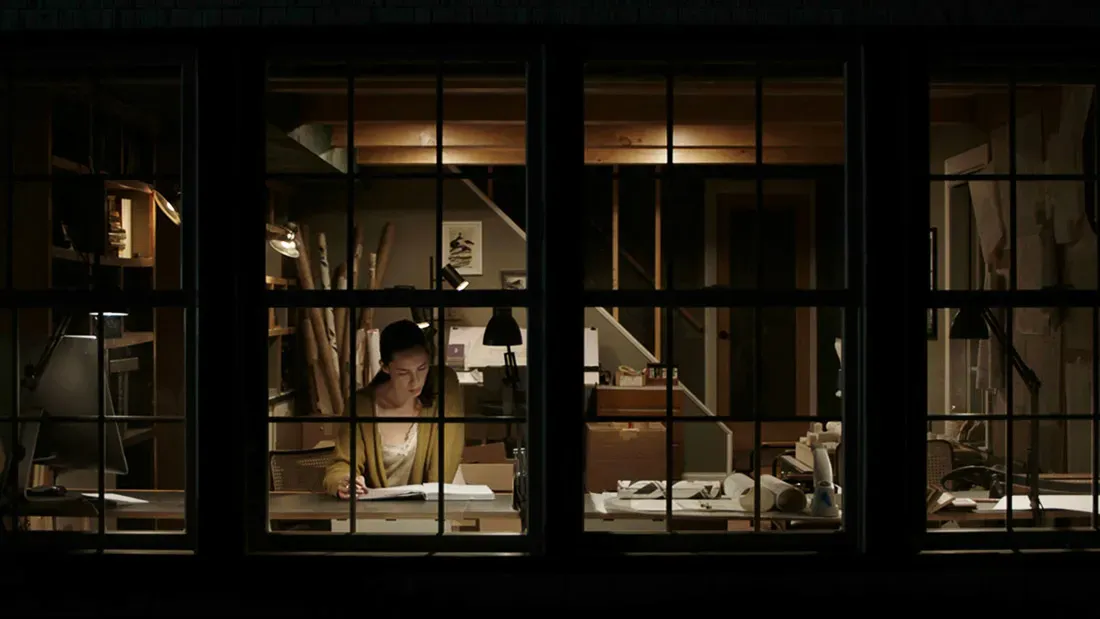
Raúl, steadily encased in a bubble of seeming contentment while seeming to be grappling with performance anxiety, resides in an opulent villa accentuated by a Hockney-inspired pool and enjoys a complicated companionship with his younger confidant, Santi, and his steadfast helpmate, Mónica.

Retaining the signature Almodóvar quirkiness, an early humorous scene introduces Elsa, the protagonist of Raúl’s script, rolling her eyes at the "cult director" tag after making only two non-hit films and currently focusing on ad films. A voluptuous male commercial star turned fireman stripper, Beau, further enhances the humor quotient.
Drawing from Almodóvar's personal loss, Elsa navigates her disenchantment wrapped up with acute migraines and paranoiac onsets with the support of her tireless partner Beau.
An embodiment of melancholic beauty leaps into the narrative courtesy of the late Mexican crooner Chavela Vargas’ powerful rancheras. Yet despite the emotive songs and the visually contrasting canvas of the volcanic island of Lanzarote, the film's alternating script struggles to culminate in a profoundly engaging climax.
The shift in narrative gears is managed skillfully by editor Teresa Font, though the textual intertwining of life and art delivers a rather subtle climax. However, the film hits emotional fireworks when Mónica lashes out over Raúl's instrumental use and perception of people's lives, leading to a heightened introspection of the director's own body of work.
In the end, "Bitter Christmas" proves to be a deeply personal work by Almodóvar that directs more towards his own soul-searching than inviting the viewer into the narrative playground. Yet, all things considered, it still adds a fascinating layer to his illustrious filmography.