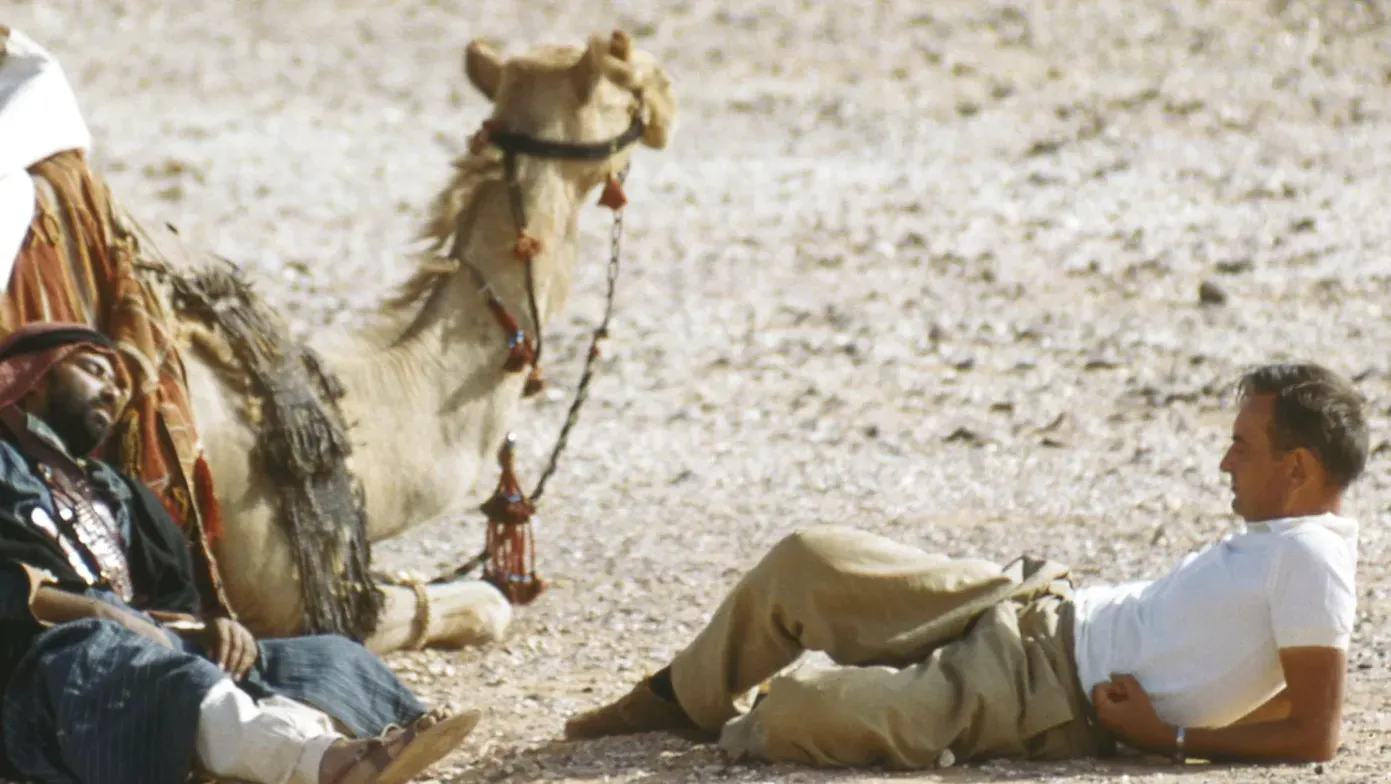
From Tea Boy to Legendary Director: The Sparkling yet Stormy Saga of David Lean
- May 27, 2026
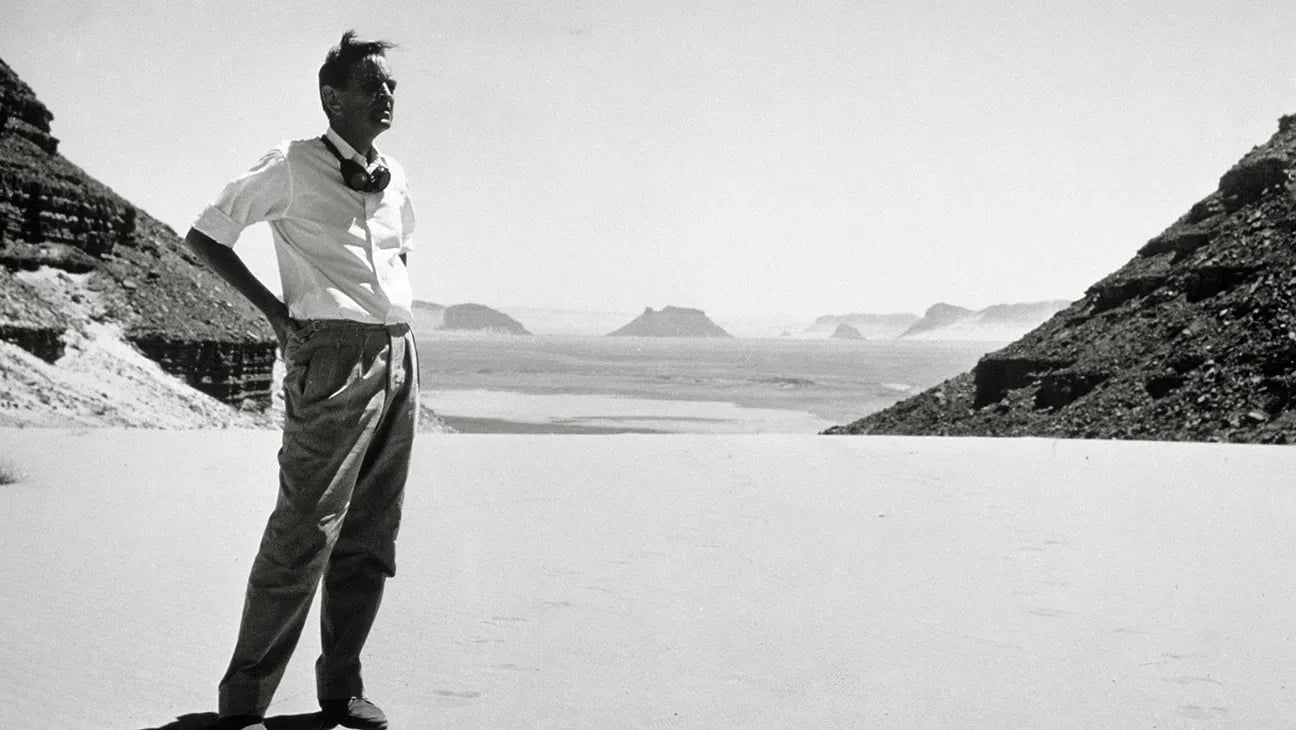
The life story of distinguished British film director David Lean is like an exquisitely shot, award-winning film brimming with jaw-dropping moments, dramatic twists, high emotions, and a few scene-stealing turns. A Cary Grant of directors, as it were. His professional life was a series of awe-inspiring, high-impact productions set in the most remote locales imaginable, striking an odd chord with his turbulent personal life - a heart-racing chase scene of marriages and relationships, none ever reaching that perfect, soft-focus, happy-ending kiss.
As David Lean once confessed in an old interview, carefully preserved in “Maverick: The Epic Adventures of David Lean”, "Living through a film feels more realistic to me than real life.” A testament to the brilliant juxtaposition of his cinematic triumphs to his not-so-triumphant life events.
An exhaustive study by Barnaby Thompson, the documentary dances a fine line between soulful awe for the timeless masterpieces like “The Bridge on the River Kwai” and “Lawrence of Arabia” and the no-bull honesty for the relentless perfectionist Lean was on his enigmatic movie sets. The likes of Robert Mitchum, recalling working with Lean, unflinchingly labels him as a one-track mind. It’s hard to forget the chilling incident of Lean having a veteran actor, Leo McKern, almost drowned, violently thrashed near Ireland’s rocky coastline during an unyielding Atlantic storm just to get the perfect shot.
In other candid recollections, Omar Sharif paints a vivid picture of Lean as an uncompromising leader on set. “He was ruthless- unapologetic to anyone, himself included,” says Sharif, whose stardom skyrocketed following his performances in Lean's “Doctor Zhivago” and “Lawrence of Arabia”.
And then there was his last effort, “A Passage to India”. After a challenging 14-year hiatus post a career shaking “Ryan’s Daughter”, Lean's iron-fisted approach led to an open revolt within his cast. Actress Judy Davis was the most vocal, throwing scathing rebukes at the director, accusing him of total ignorance of his own craft. Her critical prowess paid off, however, as she managed to secure an Oscar nomination for best actress for her efforts in the film.
Lean laughed in the face of "personal resentments" from his skeptically eyed performers. Yet, he was not one to hold back his own view on his actors, referring to them as "puppets". A statement that confirms the age-old rumor of Lean valuing visual beauty over the grandeur of performances.
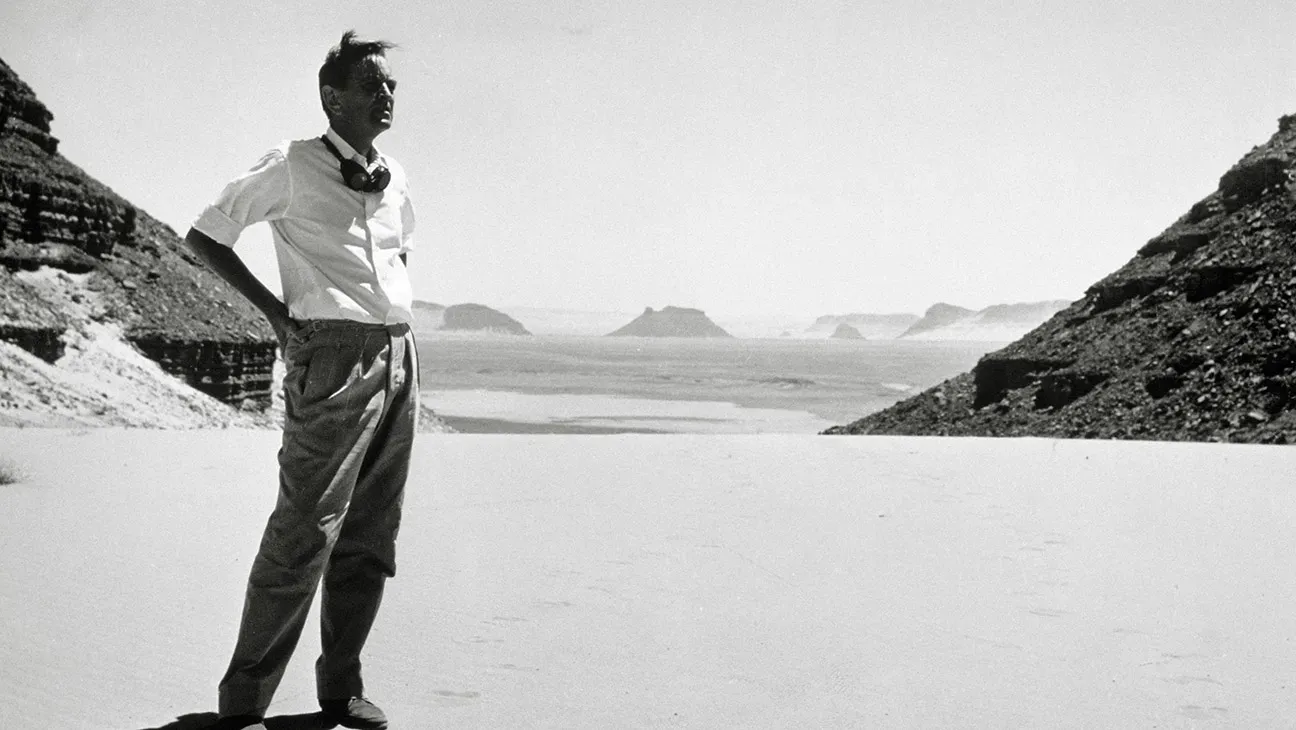
Yet it's impossible to bundle Lean's persona into a single word. Despite claims of his impatient and temperamental demeanor, Lean was more than just an insensitive dictator behind the megaphone. Some might say he was the 'godfather of the modern blockbuster', crafting a path followed by many. Directors shaped in his professional glow, like Steven Spielberg, Francis Ford Coppola, Denis Villeneuve, and Paul Greengrass, have eulogized Lean's indomitable spirit and uncompromised storytelling in many ways.
From his underwhelming infancy in the dreary South London area to the widespread triumph of films like "Lawrence of Arabia", Lean’s saga is akin to a slow burn cinematic masterpiece. An estranged father, pressing expectations, film industry breakthroughs, and six flitting marriages, provided enough fodder for the film reel of his extraordinary life.
His fixation on grandeur and spectacle was fueled early into his film career, and Noel Coward having him co-direct his first feature, “In Which We Serve”, only fanned the flames.
But it wasn't until "Summertime" that he found his heart’s call - escaping studio shoots for inspiring international locations. Subsequently, his collaborations with Sam Spiegel led to legendary creations like "The Bridge on the River Kwai” and "Lawrence of Arabia", setting a benchmark that's hard to match even in the digital age.
Despite setbacks like "Ryan’s Daughter" and harsh critique from critics like Richard Schickel and Pauline Kael, Lean's undying devotion to cinema remained untouched. It even helped him bring his chilly personal life into the scorching spotlight. His steely approach to love and relationships became the thematic cinch of films like "Summertime", "Brief Encounter", "Doctor Zhivago", and "Ryan’s Daughter".
Like an artist narrating his story through art, Lean spun his world of fantasy devoid of sentiment but full of grace and splendor. And “Maverick” magnificently chronicles this fascinating interplay of personal trials and cinematic brilliance that made David Lean the icon he is today.