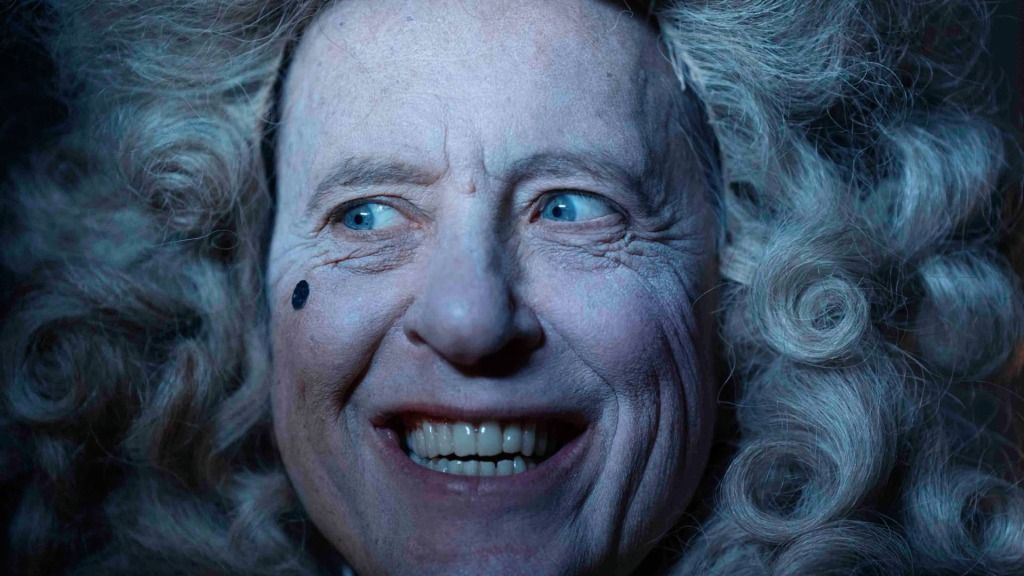
Catch the Craze in "Savage House": A Pinch of Class Warfare, Piles of Debt and a Gallon of Fun
- Jun 5, 2026
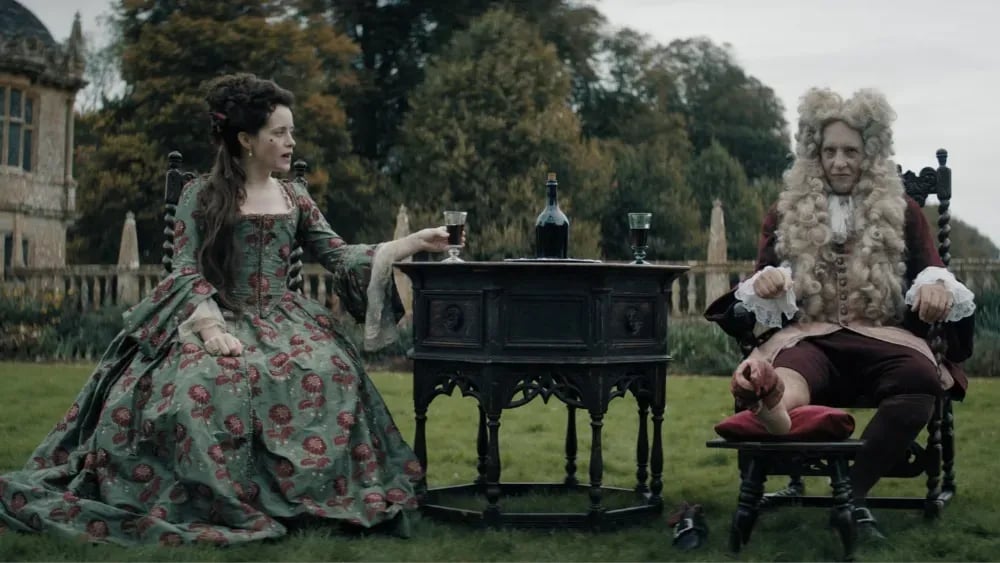
Hold on to your wigs and powder your nose for a wild ride in the 18th century, when dive headfirst into "Savage House," a deliciously devilish portrait of societal extravagance and ungodly pretense. Peter Glanz, our American director, invites you to a raucous dinner party hosted by two spectacularly absurd Georgian characters, splendidly enacted by Richard E. Grant and Claire Foy.
Hitting theaters this Friday, "Savage House" laughs in the face of lesser satires, creating a stir similar to “The Favourite” and smashing through the summer movie noise. From inflated egos to both literal and metaphorical decay, the unruly comedy doubles down on showcasing the perils of enduring the pressures of English high society.
Buzzing with immense vitality, let's meet the sociopathic hosts of this delightful spectacle: Lady Savage, born and bred a noblewoman, portrayed by Foy, and her husband, Sir Chauncey, an extravagant gold digger delivered forcefully by Grant. The chemistry and comic timing between the two iconic leads promise to be this season’s surprise crowd-puller.
As day turns to midnight, the couple cloaks their genteel grime in deep shades of black, refusing to let the cracks show through their facade of genteel decay. Adriano Goldman serves up phenomenal cinematography, rendering the couple's doomed vanity in exquisite detail, amplifying the couple's pancake ghostly makeup and towering wigs, and capturing the grotesque glamour of this tragicomedy.
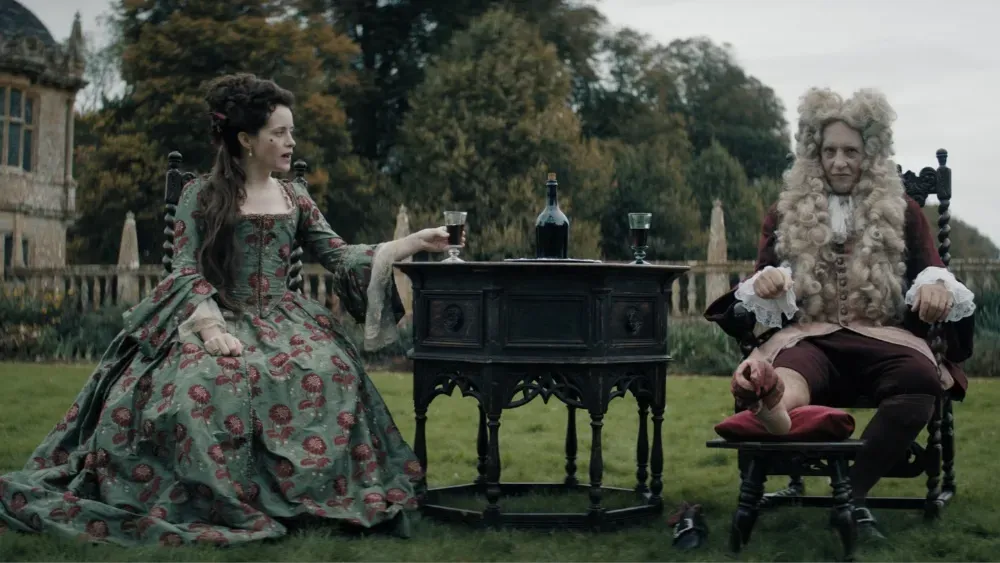
The Savages, ignorant of their impending insolvency, live in an alternate universe. The socialite Lady Savage finds her once charming husband repulsive, and embarks on a fiery affair with his handsome valet, Halifax, played by Jack Farthing. Chauncey, not to be left behind in the scandal stakes, mirrors his wife's roaming eye with her handmaiden, a role assayed by Bel Powley.
The couple’s waning social prestige forces them into the comically hostile embrace of their obnoxious neighbors, the Bennetts. But hope shines in the form of a visit from the celebrity aristocrats, the Duke and Duchess of Devonshire. The desperate Savages throw what remains of their dwindling fortune into this once-in-a-lifetime opportunity. Unfortunate privileges such as reparative hairstyles to cover Chauncey's gout or Lady Savage’s willingness to sell her heirloom jewelry to make a glitzy impression, all add to the absurdity of their efforts.
The best-laid plans of rats and nobles, however, often go awry. Despite their attempts to make an impression, the couple’s extravagant plans meet a disastrously funny fate in this frenzied dark comedy. As Sir Chauncey nostalgically claims, “No self-respecting gentleman knows his bank balance,” while Lady Savage dismisses her daughter's complaints with, “Tragically enough, you are.”
"Savage House" is essentially an expose of the timeless desperation to acquire social clout. While the comedy may feel increasingly abrasive, the film paints a fascinating picture of a society filled with individuals aspiring for greatness but falling pathetically short. The finely aged mise-en-scene and star turns by Grant and Foy make "Savage House" an enjoyable romp through the manor, despite its darker undertones. As an audience, we revel in the splendid masquerade while brewing in the sweet sense of schadenfreude.